When I decided to research something I had heard about called a “dog paw yeast infection soak,” I thought I had found an effective, natural solution for dogs with itchy paws, whether from yeast or allergies.
It made perfect sense. Humans benefit from soaks in Epsom salts or essential oils, so wouldn’t dogs experience the same benefits?
Not necessarily.
I discovered that soaks may be good in specific situations when done in specific ways, but are just as likely to cause issues to get worse for your pup. As usual, determining if a paw soak will help your dog requires some detective work.
Let’s talk about when a dog paw yeast infection soak can help, and when it can hurt.
Article Preview
Why Are Your Dog’s Paws Red Between The Toes?
Important Disclaimer: I am not a vet. My goal is to share my own personal experience and information I have gathered; not to give medical advice.
If you think you want to try something you read about here, talk to your vet! But first read this and many more articles to empower yourself for a good discussion in which you can ask your vet great questions about what you want to try.
Knowledge is power – never forget that!
The first step to determining if a dog paw yeast infection soak is right for your dog is to understand all the different situations that can cause a dog to have red and itchy paws.
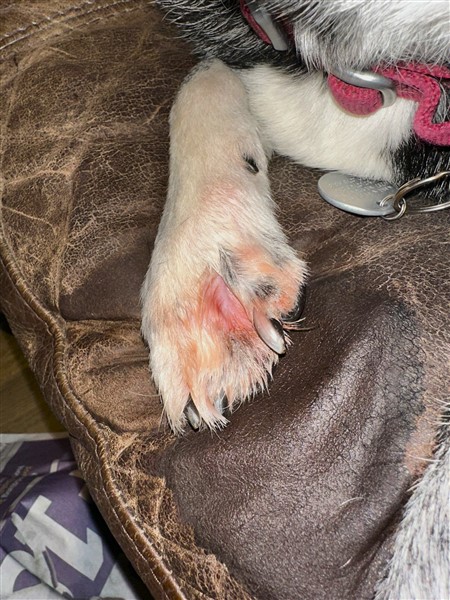
If you notice red skin between your dog’s toes, it indicates that there is some sort of imbalance (and discomfort) in the skin.
The red skin, however, isn’t necessarily from a yeast infection. There are a wide range of triggers that can cause your dog to lick it’s paws (resulting in red between the toes) including:
- Paw injury
Your dog may be licking the paw trying to clean a wound or remove a sliver or burr - Allergies
Your dog may be having an allergic reaction to something it touched or ate - Anxiety/stress/boredom
Many dogs lick their paws to relieve anxiety, boredom, or stress - Gastrointestinal issues
Some dogs lick their paws to comfort themselves if their tummy or intestines are upset - Flea allergies, mites, hookworms
Any of these critters can cause itchy, red feet - Chemicals on pads such as de-icing salts
If your dog walks through areas that were melted using salts and chemicals their pads can become itchy or raw - Unrelated pain (licking paws to distract itself)
Believe it or not, your dog may be licking their paws to distract themselves from pain occurring in a completely different part of their body - Yeast infection
An overgrowth of yeast organisms can cause raw, itchy skin
As I read about each of these triggers, it quickly became clear that before doing any kind of paw soak you need to narrow down the cause.
1st Step: Determine WHY Your Dog Is Licking Their Paws
Figuring out why your dog is licking their paws is harder than you think.
Rule out obvious causes
The first thing you need to do is to check carefully between the toes and the pads on your dog’s foot, looking for injuries, foreign objects, or ticks.
If you don’t see an obvious cause, then determining the reason your dog is licking their paws is best accomplished with a vet visit.
The vet will look for any physical/pain causes (body-wide not just in their paws, read on for details), test the skin for possible yeast or other infections, as well as look for possible flea/mite/hookworm sources.
How unrelated physical pain causes dog paw licking
I read an interesting article in Innovative Veterinary Care Journal by Dr. Peter Dobias, DVM about how unrelated physical pain (i.e. not in the paws) can cause dog paw licking.
Dr. Dobias has an amazing website full of natural healing and health products for dogs, as well as informative articles about different dog health issues.
In this article, Dr. Dobias said that in his Vancouver, B.C. veterinary practice he began to see patterns in patients who were licking their paws. Many patients who licked their front feet had signs of lower cervical inflammation and discomfort. Dogs that licked their forearms commonly had muscle spasms and inflammation in the interscapular region, and those licking their hind feet often showed signs of an injury in the lumbar spine, which is the origin of nerves supplying the hind feet.
This article underscored the importance of visiting the vet to determine why your dog is licking their paws.
I experienced this scenario first-hand with my dog Tico.
Tico licks his paws a LOT. So much that the white fur is stained a brownish-red color (from saliva enzymes).
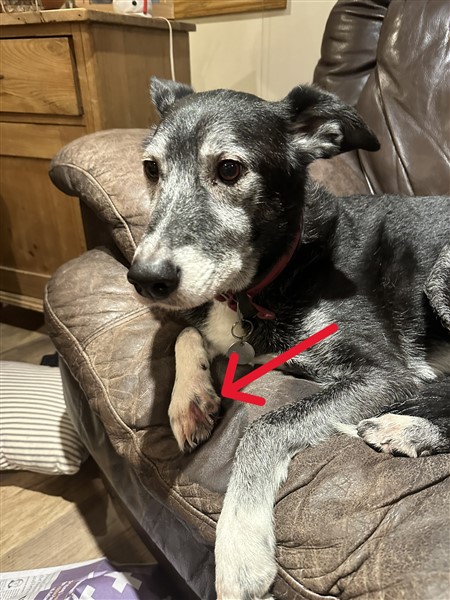
For years I assumed his itchy paws were from seasonal and food allergies.
But then one day he started yiping when he moved. He had trouble lying down and trouble getting up. The vet was perplexed and sent us to a rehab vet specialist, and she determined that he had a chronic nerve impingement at the base of his spine.
She thought that he probably licks his paws as a way to deal with the chronic back/hip pain. Since then I have noticed that whenever he has a setback and shows signs of pain and stiffness when moving around, his paw licking increases as well, supporting the vet’s theory.
If I had assumed he had some type of paw yeast infection and started doing dog paw yeast infection soaks, I literally could have caused a yeast infection. How? Yeast thrives – and can overgrow – in warm, moist conditions. If I was getting Tico’s paws wet every day I could accidentally create this environment.
What To Do If A Dog Paw Yeast Infection Soak Isn’t The Answer
**Note: this post contains affiliate links. No one paid me to recommend these products, I recommend them because I like them. By using the link to buy the products you are helping support happyynaturaldog.com**
Once you know the reason or possible reasons that your dog is licking their paws, you can start to brainstorm possible home remedies.
I have an article full of ideas for how to stop your dog from licking their paws with home remedies that will help you find the best solution for your dog.
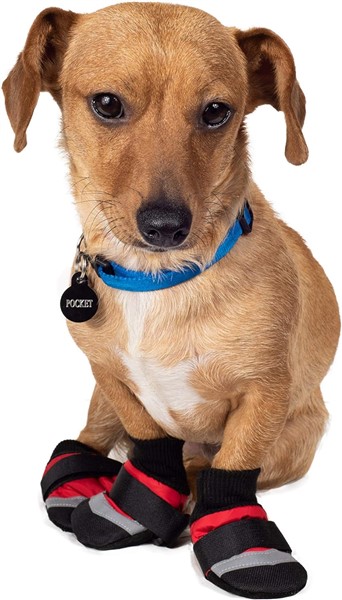
For example, if your vet determines that your dog is allergic to something they are coming into contact with on walks, using a pair of dog booties when your dog is outside can make a huge difference.
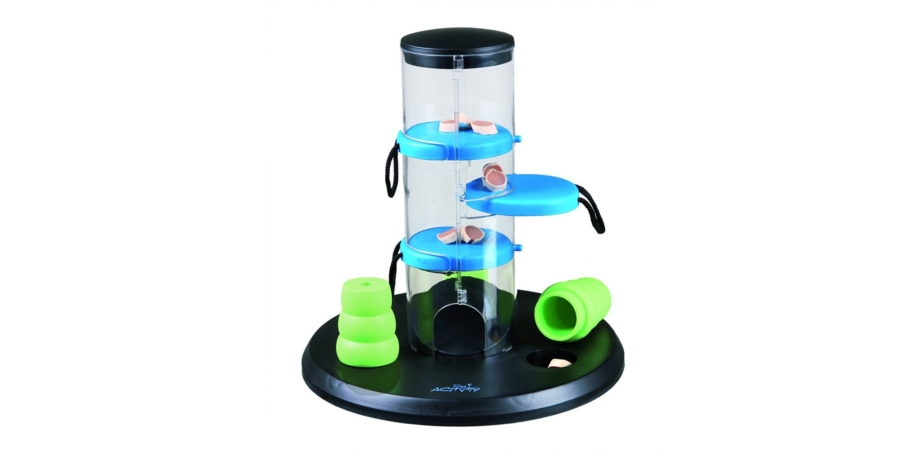
If the vet suspects boredom or anxiety, you will want to consider mentally enriching activities to distract and entertain your dog such as
- mentally stimulating dog toys,
- dog puzzle feeders, and
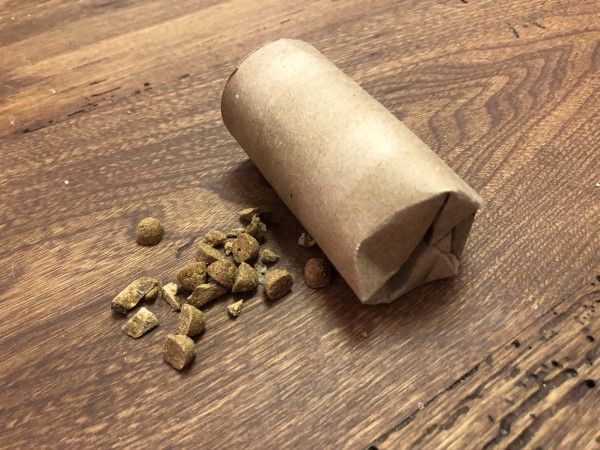
- cognitive enrichment for dogs (including toys you can make yourself!).
These activities are great for your dog regardless of if they suffer from anxiety or boredom, so be sure to check them out!

Next, let’s talk about what to do if your vet determines that your dog does have a paw yeast infection.
What Causes Dog Paw Yeast Infections?
Yeast spores normally live on your dog’s skin without causing any issues, but as we discussed, they sometimes spread out of control and cause horribly itchy skin.
This makes your dog chew and lick their paws, which in turn increases the yeast overgrowth (yeast love moist warm skin), and soon your dog has a full-blown yeast infection.
Their paws become red and irritated and many times develop a musty, pungent odor.
So the million-dollar question is: what causes the yeast to multiply out of control?
Yeast is an opportunistic pathogen that multiplies when something else causes an imbalance. There can be many underlying causes of this imbalance such as:
- a weakened immune system
- hypothyroidism
- food allergies
- skin cancer
- Cushing’s disease
- prolonged paw dampness
This is another reason that a visit to the vet is important if your dog is licking their paws.
Even if it is a yeast infection, you are going to want the vet to rule out the more serious causes listed above. Once those are ruled out, THEN it’s time to consider using a dog paw yeast infection soak!
When To Use Dog Paw Yeast Infection Soaks
Once you have a yeast infection diagnosis, and you’ve ruled out other medical issues that could be underlying causes of the yeast infection, a yeast infection soak may help your dog.
It’s important to be sure, however, that your dog doesn’t have a bacterial infection in addition to the yeast infection. If that is the case, a dog paw yeast infection home remedy won’t be effective and your vet will recommend a shampoo that will kill both the yeast and the bacteria.
According to Dr. Debra Eldredge in this Whole Dog Journal article, if your dog’s yeast infection is a mild case you can try treating it with a dog paw yeast infection soak. I’ll outline her method in the next section.
If it’s a more severe case you may need to use conventional treatment this time (usually an antifungal shampoo), and then try to catch the infection earlier if it happens again so that a home remedy will be more effective.
In the articles I read it seemed like some dogs are more prone to recurring yeast infections – for example, dogs that struggle with anxiety or boredom. Those were the types of cases where owners used dog paw yeast infection soaks effectively.
How To Do A Dog Paw Yeast Infection Soak
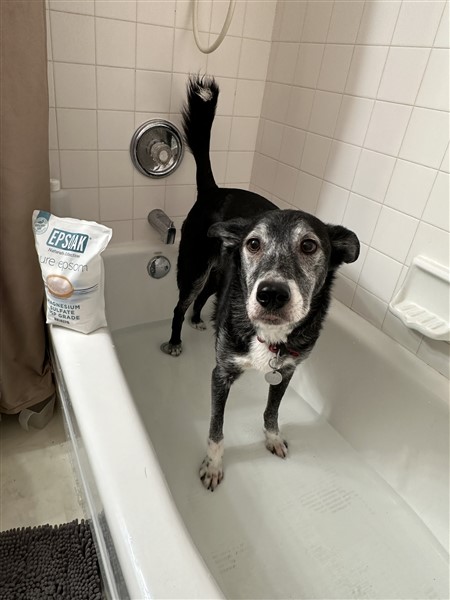
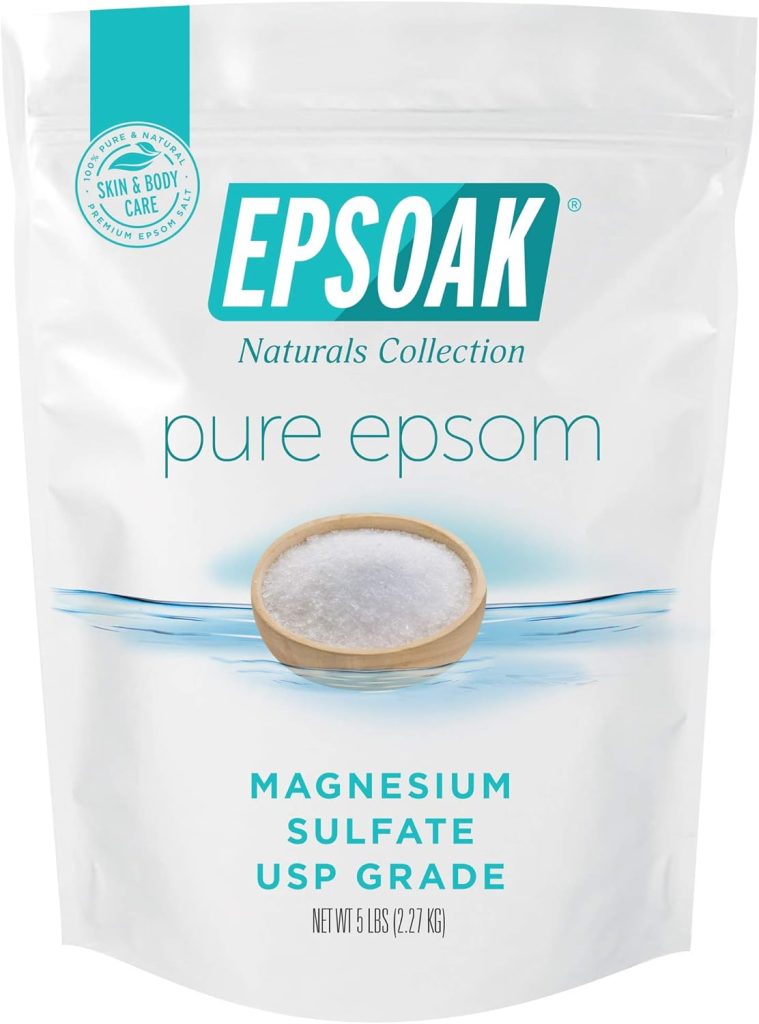
Dr. Eldredge recommends soaking the paws in Epsom salts and warm water for about five minutes, then rinse and dry the paw carefully. I researched how Epsom salts could help, and it seems that in addition to providing relief from inflammation and itching, Epsom salts contain magnesium so can help establish healthy magnesium levels. Magnesium deficiencies in the body can cause yeast overgrowth, so by reducing any deficiency you can reduce yeast overgrowth.
Another website, Van Isle Veterinary Hospital in Courtenay, B.C., recommends combining ¼ cup of Epsom salts with 1 liter of warm water and immersing the paws for up to 10 minutes up to 3 times a day (they also emphasize drying the feet thoroughly and in between the toes to prevent infection).
I use food-grade Epsom salt to ensure there are no harmful additives or chemicals.
Be careful: Some websites advocate using apple cider vinegar and water, but I would steer clear: if your dog has any scratches, raw areas, etc, the apple cider vinegar will STING. And since your dog has been licking or chewing on their paws, it’s very likely that this may happen.
Here are a few supplies you may need:
Epsom Salt
Dog Foot Wash Pan

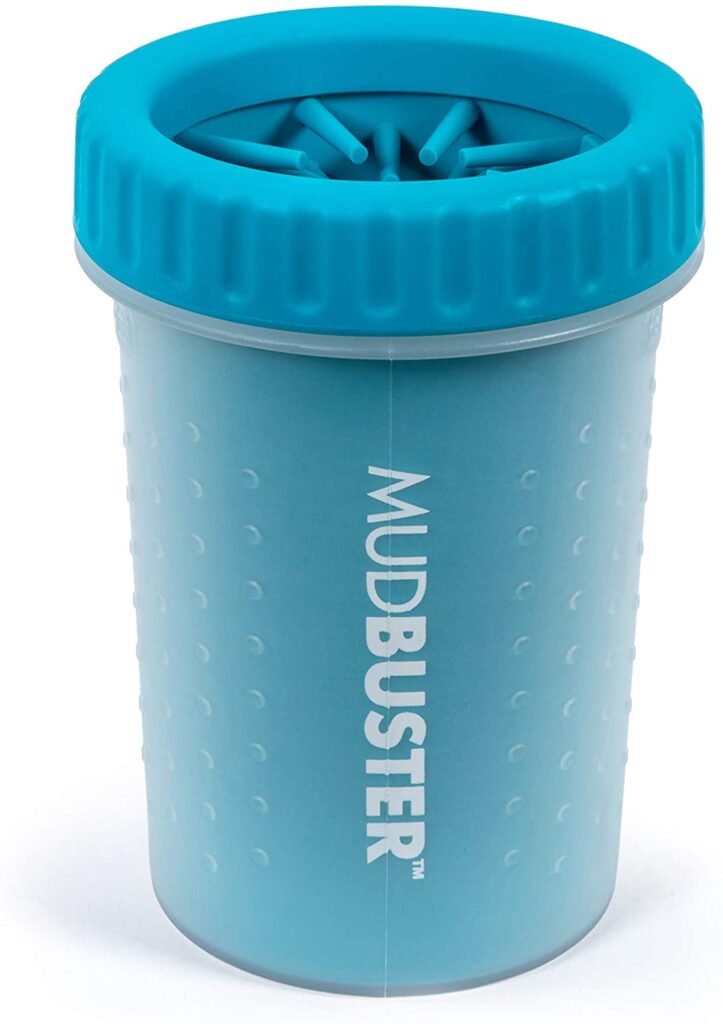
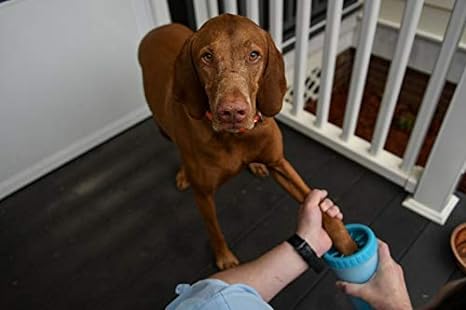
Dexter Mudbuster (for single paw soak)
Absorbent Dog Towel
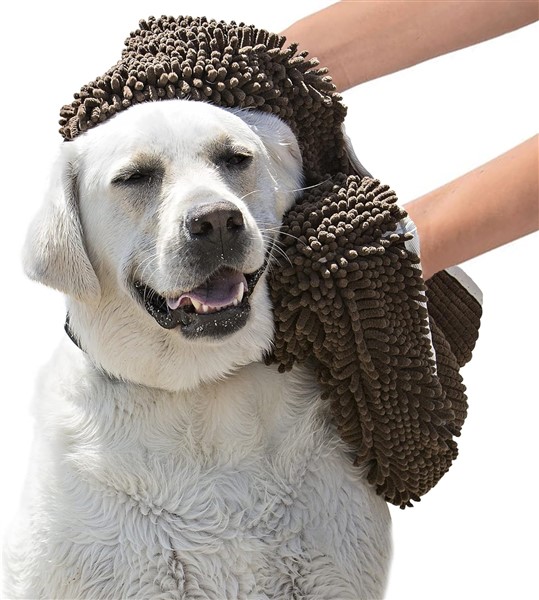
Absorbent Dog Mat

If you’re treating all four paws, it is easiest to fill the tub with enough lukewarm water to cover your dog’s paws, add a few cups of Epsom salts, stir to dissolve them in the water, and have your dog stand in the tub.
Remember, if you don’t dry the foot well the damp conditions will encourage the growth of yeast. Make sure you get between their toes and in the cracks and crevices of their pad pads.
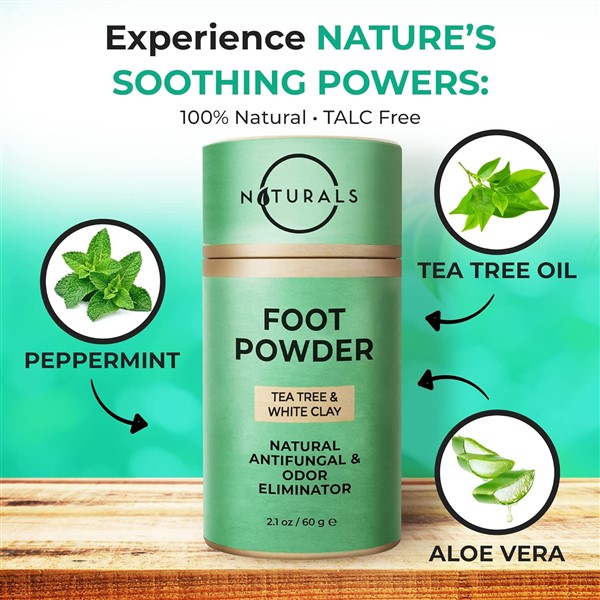
Dr. Eldredge recommends sprinkling human foot powder in between the toes. I found this natural foot powder that absorbs moisture and has a natural anti-fungal (tea tree oil) plus a natural soothing ingredient (aloe).
Natural Foot Powder
Avoiding Dog Paw Yeast Infections
Ideally, the best plan of all is to avoid a yeast infection altogether… but how??
- If your dog is licking due to boredom, add some mentally stimulating activities to your dog’s day! Many dogs need and/or thrive from doing physical and mental activity each day.
- If your dog swims a lot, be sure to rinse and dry off their paws afterward.
- In the wintertime, be sure to wipe any salt or road chemicals off your dog’s feet when you get home from walks.
Dog Paw Yeast Infection Soaks Are More Complex Than You Thought!
So although I didn’t end up writing the article I thought I would be writing (i.e. “these paw soaks fix everything and anything!”), I hope you feel more empowered to help your dog if they are struggling with itchy, irritated paws.
Kudos to you for educating yourself so that you can be the best natural pet parent possible!
Naturally,
Karen
Want to save this article for future reference? Save this pin to your natural dog care board!

Be First to Comment